logo1
Smile Correction vs Braces: Which Is Better?

Smile Correction vs Braces: Which Is Better?

A confident smile can really change the way you look and feel throughout your day. Most people go to a dentist because they want straighter teeth, better alignment, or an overall improvement in their smile. Nowadays, many patients often search online for “smile correction near me” to find modern dental options. Two of the common solutions they come across are treatments for smile correction and traditional braces. While both improve the appearance and functionality of the teeth, they are very different in how they work and suit different needs.

If you wish to take control of your dental appearance, lifestyle, and oral health in the long run, knowing the pros and cons of each method can serve as a basis for your decision.

Understanding What Smile Correction Really Means

Smile correction is a broad term that covers a range of cosmetic and restorative dental treatments. It’s more about the smile’s overall appeal than just the alignment of one or two teeth. It can be about tooth color, shape, size, and gaps, and the proportion of teeth, as well as how they relate to the gums and lips.

Smile correction procedures are mostly tailored to the specific needs of the patients. Instead of employing a single fixed method, dental practitioners devise a treatment strategy based on the individual patient case. While some may only need minor refinements, others may have to go through several procedures to get a complete balance.

What Braces Are Designed to Do

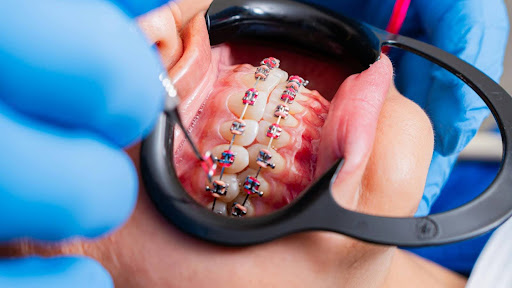
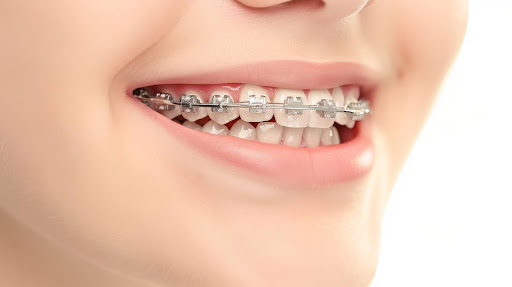
Braces are a highly recognized and effective orthodontic method that is primarily used for straightening teeth and addressing malocclusion. The mechanism behind it is by exerting a constant, gentle force that causes teeth to slowly change their position in the mouth.

Braces are usually suggested when there are definite structural problems, such as crowding, spaces, overbites, underbites, or crossbites. They are commonly used by teenagers, although a great number of adults also undergo orthodontics when alignment problems cause difficulties in chewing, speaking, or maintaining oral hygiene.

As braces are generally concentrated on the function through proper alignment, they might not deal with the cosmetic issues, such as tooth color, shape, or minor surface defects.

Key Differences Between Smile Correction and Braces

While both ways aim to enhance dental beauty, they vary in method, extent, and treatment experience.

Smile correction typically focuses on:

  • General smile aesthetics
  • Tooth color, shape, and symmetry
  • Minor misalignment or spacing issues
  • Faster noticeable results for achieving the cosmetic goals

Braces are mainly used for:

  • Correcting misalignments from moderate to severe
  • Enhancing bite and jaw alignment
  • Ensuring dental health structurally in the long run
  • Moving the teeth gradually over a period

One is not necessarily superior to the other because of the contrasts. The suitable option depends on the individual’s dental condition and what they expect.

Treatment Time and Lifestyle Considerations

Time is often a deciding factor for many patients. Braces usually require a longer commitment. The treatment may take up to three years or even more for one to be completely orthodontically healthy, depending on the case, complexity, or the severity of the malocclusion. During this time, one has to get regularly adjusted and maintain a strict and healthy oral hygiene practice.

Smile correction, however, can be completed within a relatively shorter period. Few treatments can show results within weeks, and some may take a few months. For adults who want to achieve significant changes without having to wear orthodontic appliances for years, this can be really attractive.

Lifestyle is another factor. Braces can influence eating habits and may require extra attention during cleaning. Smile correction treatments often involve fewer daily restrictions once the procedures are complete.

Aesthetic Expectations and Results

For patients whose main concern is how their smile looks, smile correction offers more flexibility. It gives them the possibility to change every single feature of the smile in a coordinated way. Therefore, those who want to get a smile correction at the highest level often search for a “smile correction near me” as their query in their pre-consultation research.

Braces, while effective for straightening teeth, may not fully address cosmetic preferences on their own. Even after orthodontic treatment, patients may opt for cosmetic dental procedures to give their smile that beautiful finishing touch.

Cost and Long-Term Value

Cost can vary depending on the treatment plan. Braces come with a relatively predictable cost spread over a fairly long period. Smile correction, on the other hand, can be more or less expensive depending on the number and type of treatments.

Instead of completely focusing on price comparisons, one should try to think about the value to be gained in the long run. Such treatments that provide benefits in terms of function as well as beauty can lead to improved oral hygiene, fewer dental problems, and increased self-confidence.

Who Might Benefit More From Each Option?

The answer goes beyond simple matters. Braces are usually the best fit for patients who have serious alignment or bite issues that affect oral health. Smile correction, on the other hand, could be the perfect fit for those with slight malalignment, stains that are deep, and teeth that are not in good shape, or other problems in the appearance of teeth going beyond the aspect of straightening.

A thorough dental evaluation helps determine which option aligns best with both health needs and aesthetic goals.

A Thoughtful Way to Decide What Works Best

Choosing between smile correction and braces is not about getting the most popular option. It is about what really fits your smile. Both methods have their place in today’s dentistry, and optimal results are obtained through personalised planning and truthful direction.

Patients who are considering advanced cosmetic and orthodontic treatment often find that “smile correction near me” is just the first step. Knowing the treatments at your disposal and how they combine will make your choice easier. In the end, a clinic like Splendid Smiles Dental Clinic will focus on assisting their patients in obtaining healthy, natural-looking results by merging their clinical skills with a patient-first approach.

Likewise, most dental patients after cosmetic and orthodontic treatment also consider other options as part of their total dental care journey. Such options include cosmetic dentistry, dental veneers, teeth whitening, orthodontic treatment, invisible aligners, and smile makeover procedures.

Clear Aligners vs. Traditional Braces Explained

Clear Aligners vs. Traditional Braces Explained

Choosing the right treatment to straighten your teeth is a personal decision. It depends on your lifestyle, dental needs, and comfort level. Adults today have more choices than ever before. Whether you’re fixing a bite issue or simply want a better-looking smile, both options work well. Many people turn to smile design dental clinics to get the best advice for their case.

This guide breaks down the differences between clear aligners and traditional braces so you can understand what suits you better.

Why Clear Aligners Appeal to Adults

Clear aligners are custom-made plastic trays that move teeth slowly over time.

Here’s why adults often prefer them:

  • Almost invisible: They are transparent and hardly noticed when worn.
  • No wires or brackets: They’re smooth and don’t irritate the mouth.
  • Removable: You can take them off during meals or when brushing teeth.
  • Fewer food restrictions: You can eat most of your favorite foods.

Things to keep in mind:

  • You need to wear them for 20–22 hours a day.
  • Must remember to remove and store them safely while eating.
  • Not ideal for severe or complex misalignment cases.

For many patients visiting smile design dental clinics, the comfort and appearance of aligners make them an attractive option.

Where Traditional Braces Still Win

Traditional braces use brackets and wires to shift teeth gradually. They are reliable and time-tested.

Advantages include:

  • Work on all types of dental issues: Effective for even the toughest cases.
  • No forgetting: Since they’re fixed, there’s no risk of losing them.
  • Precise adjustments: Dentists can guide every small shift.

But also consider:

  • Braces are visible and may affect confidence in social settings.
  • Some food types must be avoided like sticky or hard items.
  • Extra time is needed to clean teeth around wires and brackets.

People who don’t want to manage removable trays every day often find braces simpler.

Daily Effort and Maintenance

Both treatments need care and discipline.

Clear aligners:

  • Clean daily with water and mild soap
  • Change trays every 1–2 weeks as guided
  • Keep in a case when not wearing

Braces:

  • Brush around brackets carefully
  • Use floss threaders or interdental brushes
  • Visit the dentist regularly for tightening

Many patients visiting smile design dental clinics are advised to choose based on how much effort they are willing to put into their oral care routine.

Treatment Time and Costs

Treatment time varies by case. Mild problems may take only months, while others can take longer.

  • Clear aligners: Generally quicker for simple corrections
  • Braces: Better for complex issues, might take more time
  • Costs: Aligners may cost more due to the use of multiple trays
  • Follow-ups: Both need check-ups to ensure progress is on track

At the end of any treatment, retainers are required to keep the teeth in position.

Straight teeth are about more than just a pretty smile.

They can improve how you chew, speak, and clean your teeth. Every person’s dental journey is different. What works for one may not work for another. Visiting smile design dental clinics helps in choosing the right path with expert support.

For those in need of thoughtful, personalized dental care, Splendid Smiles has quietly built a strong reputation among patients who want results without stress.

Clear Aligners vs. Braces: The Adult’s Guide to Modern Orthodontics

Clear Aligners vs. Braces: The Adult’s Guide to Modern Orthodontics

For many adults, having straight teeth is more about confidence than appearance alone. A well-aligned smile can make speaking, eating, and cleaning your teeth easier. But choosing the right method for straightening teeth can be confusing.

If you’re exploring options for smile correction treatment in Koparkhairane, this guide breaks down how clear aligners and traditional braces compare—especially for adults.

Clear Aligners: Discreet and Flexible

Clear aligners are popular among adults for a few simple reasons. They are transparent, removable, and easy to manage.

Here’s why many prefer them:

  • Appearance: They are barely noticeable when worn.
  • Removable: You can take them off while eating or brushing.
  • Fewer food limits: You don’t need to avoid crunchy or sticky food.
  • Comfort: No wires or brackets that poke your cheeks.

But keep in mind:

  • They must be worn for 20–22 hours a day.
  • Not suitable for very complex tooth movements.
  • You have to be disciplined and consistent.

Traditional Braces: Strong and Reliable

Braces have been used for decades and still remain effective, especially for more difficult cases.

Here’s what they offer:

  • Effective for complex corrections: Suitable for crowded or rotated teeth.
  • Always working: You can’t remove them, so they work 24/7.
  • Regular monitoring: Dentists can adjust them easily as needed.

Things to consider:

  • They are more visible.
  • Certain foods must be avoided.
  • Brushing and flossing take more effort.
  • Slight discomfort is common after adjustments.

If you’re in the middle of exploring your options for smile correction treatment in Koparkhairane, knowing your case type—simple or complex—can help guide your decision.

Treatment Duration and Daily Routine

Both methods need time and regular care. However, the experience can feel very different.

Clear aligners:

  • Often require 6 to 18 months depending on the case
  • Need to be cleaned daily using lukewarm water
  • Come with a new set every one or two weeks

Braces:

  • Usually worn for 12 to 24 months
  • Need special brushes to clean around brackets
  • Require dental visits every 4 to 6 weeks

Daily routine matters. If you have a busy work life or travel often, aligners may offer more freedom. But if you prefer to not think about taking them in and out, braces might be simpler.

Cost and Long-Term Results

The costs for both treatments vary based on how complex your case is.

  • Clear aligners can cost more, especially if multiple sets are needed.
  • Braces are often more affordable for difficult corrections.

In terms of results:

  • Both methods are effective when done properly.
  • Retainers are required after treatment to maintain results.
  • Regular follow-up helps prevent shifting.

Making the right choice is not only about looks. It’s also about comfort, discipline, and your day-to-day habits. If you’re still unsure about smile correction treatment Koparkhairane, consulting with a dental professional can clarify things based on your specific needs.

A confident smile starts with informed decisions.

Many adults now explore modern treatments without hesitation. Whether they choose aligners or braces, the goal remains the same: to feel comfortable in their smile.
For expert advice and guided care, Splendid Smiles has become a reliable name among locals seeking personalized orthodontic solutions.