by Splendid Clinic | Jan 25, 2025 | Root Canal
Root canal treatment helps save teeth with severe infection or decay. It involves taking out the infected pulp from the tooth, cleaning and disinfecting the area, and sealing it to stop more infection. People often fear and misunderstand this procedure, but it’s a simple and effective way to keep your natural teeth. In recent years, new dental technology has had an impact on how we do this treatment. Now, dentists can finish the whole process in one visit called single sitting root canal treatment. This method is becoming more popular because it’s convenient and saves time.
Why You Might Need a Root Canal
You may require a root canal when the pulp, the soft tissue inside your tooth, gets inflamed or infected. This can occur because of deep decay, multiple dental procedures on the same tooth, or a crack or chip in the tooth. A trauma to the face can also damage the pulp even if your tooth looks fine on the outside. If you don’t treat an infected pulp, it can cause pain or lead to an abscess. A root canal aims to get rid of the infection and shield the tooth from future bacterial invasions.
Preparing for the Procedure
Before the root canal treatment, your dentist examines you thoroughly, which may include X-ray examination to check the extent of the infection. With all of this information, the dentist can plan on the treatment and say if that procedure is really necessary at all. Your dentist explains the whole process and answers any of your questions or concerns before starting. Listen to what your dentist has to say. Your dentist will sometimes give you pre-procedure instructions. Take your antibiotics if instructed. Don’t eat or drink anything that your dentist tells you to avoid.
The Procedure Explained
The root canal procedure begins with the administration of local anesthesia to numb the affected area, ensuring that you remain comfortable throughout the process. Once the area is numb, the dentist will place a rubber dam around the tooth to keep it dry and free from saliva. An access hole is then drilled into the tooth to reach the infected pulp. Using specialized instruments, the dentist carefully removes the pulp, cleans the root canals, and shapes them for filling.
In a single sitting root canal treatment, the dentist will complete the entire procedure in one visit. This includes cleaning, shaping, and filling the root canals. The canals are filled with a biocompatible material, usually gutta-percha, and sealed with adhesive cement to ensure a tight fit. The access hole is then sealed with a temporary or permanent filling. This approach reduces the need for multiple visits and allows for quicker recovery.
Post-Procedure Care
After the root canal procedure, it’s normal to experience some sensitivity or discomfort in the treated area. This can usually be managed with over-the-counter pain relievers. Your dentist will provide specific instructions on how to care for your tooth following the procedure. It’s important to maintain good oral hygiene by brushing and flossing regularly and to avoid chewing on the treated tooth until it is fully restored with a crown or filling.
In some cases, your dentist may recommend a follow-up visit to ensure that the tooth is healing properly. If you experience severe pain or swelling, it’s important to contact your dentist immediately, as this could indicate a complication.
Benefits of Single Sitting Root Canal Treatment
The single sitting root canal treatment offers several advantages over traditional multi-visit procedures. One of the main benefits is the convenience of completing the treatment in one appointment, which is particularly appealing for those with busy schedules. This approach also reduces the risk of infection between visits, as the tooth is sealed immediately after cleaning and shaping the canals. Additionally, patients often experience less discomfort and anxiety when the procedure is completed in a single visit.
Restoring the Tooth
After the root canal procedure, the tooth will need to be restored to its full function and appearance. This typically involves placing a crown over the tooth to protect it and restore its strength. Your dentist will discuss the best options for restoring your tooth, taking into consideration factors such as the location of the tooth and your overall dental health. A well-restored tooth can last a lifetime with proper care.
Maintaining Oral Health After a Root Canal
Maintaining good oral hygiene is crucial after a root canal to ensure the longevity of the treated tooth and to prevent future dental issues. Regular dental check-ups and cleanings are important to monitor the health of your teeth and gums. Your dentist may also recommend specific oral care products to help maintain the health of your restored tooth.
Embracing Modern Dental Solutions
The advancements in dental technology have made procedures like the treatment of root canal in single sitting more accessible and efficient. By embracing these modern solutions, patients can enjoy improved dental health with minimal disruption to their daily lives. It’s important to consult with a qualified dentist who can provide personalized care and guidance throughout the process.
At Splendid Smiles, we are committed to providing our patients with the highest quality dental care. Our experienced team is dedicated to ensuring your comfort and satisfaction, offering innovative solutions like single sitting root canal treatment to meet your dental needs. Trust us to help you maintain a healthy, beautiful smile for years to come.
by Splendid Clinic | Dec 18, 2024 | Root Canal
Are you dealing with severe tooth pain and worried about multiple dental visits? Modern dentistry has evolved significantly, offering efficient solutions like single sitting root canal treatment. This innovative approach has transformed the way dental procedures are handled, making them more convenient and time-efficient for patients who lead busy lives.
Understanding Single Sitting Root Canal Treatment
Traditional root canal treatments typically required multiple visits to the dentist, spreading the procedure over several days or weeks. However, with advanced technology and improved techniques, single sitting root canal treatment has emerged as a game-changing solution. This procedure allows dentists to complete the entire root canal therapy in just one appointment, significantly reducing the time patients spend in the dental chair.
The Complete Procedure Explained
The process begins with a thorough examination of your tooth using digital X-rays. This helps the dentist assess the extent of damage and plan the treatment accordingly. Local anesthesia is administered to ensure you remain comfortable throughout the procedure. The dentist then creates a small opening in the tooth to remove the infected pulp and thoroughly clean the root canals.
Single sitting root canal treatment has revolutionized dental care by incorporating advanced cleaning and shaping techniques. The canals are carefully cleaned using specialized instruments and antimicrobial solutions. Once cleaned, they are shaped and filled with a biocompatible material called gutta-percha. The procedure concludes with the placement of a permanent filling or crown to protect the treated tooth.
Benefits That Make It Worth Considering
One major benefit of this treatment is how fast it can be performed. Get your tooth treated and restored in one visit instead of a few trips to your dental clinic. Not only does this save time, but it also cuts down on the total cost of multiple appointments and travel. Contamination risk between procedures gets eradicated as bio dentures are completed in a single sitting. When patients seek care earlier, their outcome improves considerably. Patients are relieved that they only have to undergo the process of anesthesia once.
When Is It The Right Choice?
While single sitting root canal treatment offers numerous benefits, it’s important to note that not every case is suitable for this approach. The treatment is typically recommended for cases with minimal infection, where the tooth structure is relatively healthy, and there’s no severe inflammation. Your dentist will carefully evaluate your specific case to determine if you’re a good candidate for this procedure.
Recovery and Aftercare Guidelines
Recovery after a single-visit root canal is generally straightforward. Most patients can return to their normal activities the following day. However, it’s essential to follow proper aftercare instructions for optimal healing. This includes taking prescribed medications as directed and maintaining good oral hygiene.
Initially, you might experience mild sensitivity, which is normal and typically subsides within a few days. It’s advisable to avoid extremely hot or cold foods during the initial recovery period. Regular follow-up visits will help ensure your treated tooth is healing properly and functioning as expected.
Debunking Common Misconceptions
Many patients worry that single-visit root canals might be more painful or less effective than traditional multi-visit treatments. However, modern techniques and advanced anesthesia methods ensure that the procedure is virtually painless. Studies have shown that the success rates of single-visit treatments are comparable to conventional multi-visit approaches when cases are properly selected.
Take Action Now!
Don’t let dental problems compromise your quality of life. Modern dental procedures like single sitting root canal treatment offer efficient, effective solutions to your dental concerns. At Splendid Smiles Dental Clinic, we understand the importance of providing comfortable, time-saving treatments without compromising on quality.
Our experienced team utilizes state-of-the-art technology and follows the latest protocols to ensure optimal treatment outcomes. We believe in making dental care accessible and stress-free for our patients. Whether you’re experiencing tooth pain or have questions about root canal treatment, we’re here to help.
Embrace the opportunity to enhance your dental health today! Schedule your consultation and take the first step toward a healthier, brighter smile. Explore our website to discover our services and book your appointment with ease. Let us help you achieve a confident, radiant smile with our advanced single sitting root canal treatment.
by Splendid Clinic | Oct 25, 2024 | Root Canal
A root canal is a dental procedure that helps save a damaged or infected tooth. It’s one of the most common treatments used to prevent tooth extraction, and it can relieve pain while restoring your tooth to full function. But many people wonder what exactly happens during a root canal and when they might need one. Let’s take a closer look at teeth canal treatment and how it can help you.
What Is a Root Canal?
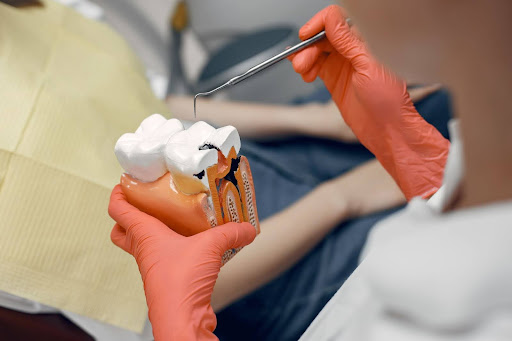
A root canal, often called teeth canal treatment, is a practice that involves the inner core of the tooth, which is termed the pulp. Pulp is made up of nerve cells, blood vessels, and connective tissues that enable tooth development at different stages of life. However, once the tooth is fully mature, the pulp is no longer necessary for its survival or health.
When the pulp becomes infected or inflamed due to deep decay, cracks, or trauma, it can lead to severe pain and may even cause an abscess. At this point, a teeth canal treatment is often the best solution to save the tooth. The process involves removing the infected pulp, cleaning and disinfecting the root canals, and then sealing the tooth to prevent further infection.
When Do You Need a Root Canal?
You might need a root canal if you notice these signs. Look out for these common symptoms:
- Severe tooth pain: If you feel intense pain that doesn’t stop, your tooth pulp might be hurt.
- Sensitivity to hot and cold: Teeth that are sensitive to hot or cold temperatures, even after the stimulus is removed, may have an infection that requires treatment.
- Swollen or tender gums: When the inside of your tooth gets infected, it can make your gums swell up or feel sore near that tooth.
- Darkening of the tooth: When the tooth becomes discolored, it may indicate nerve damage, often requiring root canal treatment.
- Gum Boil: A small, pimple-like bump on the gums near the painful tooth could be a sign of an abscess, a serious condition that requires immediate treatment.
If you spot any of these signs, make sure to see a dentist right away. Letting the issue go unchecked can cause more harm and might even lead to losing a tooth.
How Is a Root Canal Performed?
A teeth canal treatment is typically performed in one or two appointments, depending on the complexity of the case. The process includes the following steps:
- X-ray and diagnosis: Your dentist will first take an X-ray to determine the extent of the infection and assess the shape of the root canals. This will help them plan the treatment.
- Numbing the area: Before the procedure begins, the dentist will apply a local anesthetic to numb the area around the tooth, ensuring you don’t feel any pain during the treatment.
- Removing the infected pulp: The dentist will create an opening in the top of the tooth to access the pulp chamber. Using specialized tools, they will remove the infected or damaged pulp from the tooth’s root canals.
- Cleaning and disinfecting: After the pulp is removed, the dentist will clean and disinfect the root canals to ensure no bacteria remain. This step is crucial to prevent future infections.
- Filling the canals: Once the canals are cleaned, they will be filled with a biocompatible material called gutta-percha, which seals the tooth and prevents bacteria from re-entering.
- Sealing the tooth: Finally, the dentist will place a temporary filling or crown over the tooth to protect it while a permanent crown is being made.
Benefits of a Root Canal
While many people fear the idea of getting a teeth canal treatment, it actually offers numerous benefits. If you are seeking the treatment, then seek root canal treatment in Kopar Khairane for the best care and results. Here are some of the reasons why it is a great option:
- Relieves pain: Root canal treatment can quickly relieve the pain caused by an infected tooth. Once the pulp is removed, the tooth no longer has nerves, so the pain disappears.
- Saves your tooth: Instead of extracting the tooth, a root canal allows you to keep your natural tooth intact. This helps maintain your ability to chew and prevents other teeth from shifting.
- Prevents further infection: Removing the infected pulp and sealing the tooth protects it from future bacterial infections, helping you maintain a healthy mouth.
- Improves appearance: If your tooth has become discolored or damaged, a crown can restore its appearance, giving you a more confident smile.
Get Professional Root Canal Treatment with Splendid Smiles
If you’re experiencing tooth pain or signs of infection, don’t wait to seek treatment. At Splendid Smiles, we specialize in providing high-quality root canal treatment in Kopar Khairane. Our experienced dentists use the latest techniques to ensure a pain-free and effective procedure.
With Splendid Smiles, you can trust that your dental health is in good hands. Contact us today to schedule your consultation and take the first step towards a healthier, pain-free smile!